Friday, May 7, 2010

What is the Ethnic Groups of Argentina?

What is the ethnic groups in Argentina? The population of Argentina is of European origin, principally from Spain and Italy. There is little mixing of Aborigines. Approximately 97% are of European extraction, and 3% are mestizo, Amerindian or other nonwhite groups. The Amerindian population grew in recent years due to immigration from Peru, Bolivia and Paraguay.

Anyway, the first inhabitants of Argentina were Indians belonging to different tribes. They came to the country 18,000 years ago from North America. They were hunters, farmers and fruit pickers. Some of their traditions are kept alive mostly in the north and south of the Country.

In the sixteenth century, the Spanish conquerors arrived to Argentina. It is estimated that there were 500 thousand Indians at that time. This meeting caused the blending of whites and Indians. In addition, there were some blacks brought from Africa or Brazil as slaves. In the second half of the nineteenth century and in early twentieth century, thousand of European immigrants came to Argentina. The immigrants defined the essence of the Argentines.

What is the ethnic groups in Argentina? According to a survey by the Argentine government in 2004-2005, there are 35 indigenous tribes in Argentina and 600,329 Indians. However, half of them do not belong to any community but recognize as descendant of the first generation. In total they represent 1.6% of the population.

What is the ethnic groups in Argentina? Diaguitas and Mapuches are the best known indigenous communities. The diaguitas are located in the north, in Tucumán, Salta, La Rioja and Santiago del Estero. They produce fabrics and work with crafts. The Mapuches are located in Neuquén and Rio Negro and in a Chile. The Los Andes range is their natural habitat. The mountains separated the Mapuches from the Spanish conquerors. That is way the tribe exist today. The Mapuche have their own language and a deep connection to the earth. Currently there are problems with the Mapuches in Chile and Argentina because they claim different territories.

¿Cuáles son los grupos étnicos de la Argentina?

¿Cuáles son los grupos étnicos de la Argentina? La población de la Argentina es de origen europeo, sobre todo descendientes de España e Italia. Hay poca mezcla de aborígenes. Aproximadamente el 97% de las personas son de origen europeo, y 3% es mestiza, amerindia o de otros grupos no blancos. La población amerindia creció en los últimos años por la inmigración proveniente de Perú, Bolivia y Paraguay.

De todos modos, los primeros pobladores de la Argentina fueron indígenas pertenecientes a diferentes tribus. Llegaron al país hacia 18.000 años y vinieron del continente americano. Fueros cazadores, agricultores y recolectores de frutos. Algunas de sus tradiciones se mantienen vivas sobre todo en el norte y el sur del país.

En el siglo XVI llegaron al país los conquistadores españoles. Se estima que había 500 mil indígenas en ese momento. Dicho encuentro dio lugar al mestizaje de blancos e indios. Además, había algunos negros traídos de África o de Brasil en calidad de esclavos. En la segunda mitad del siglo XIX y a principios del XX se produjo el arribo de los inmigrantes europeos. Estos terminaron de definir la esencia de los argentinos.

¿Cuáles son los grupos étnicos de la Argentina? Según una encuesta realizada por el gobierno argentino en 2004-2005 hay 35 pueblos indígenas en la Argentina, integrados por 600.329 individuos, la mitad de ellos sin embargo no pertenece a alguna comunidad sino que se reconoce descendiente de la primera generación. En total representan 1,6% de la población.

¿Cuáles son los grupos étnicos de la Argentina? Las comunidades indígenas más famosos son los diaguitas y los Mapuches. Los diaguitas se ubican en el norte del país, en Tucumán, Salta, La Rioja y Santiago del Estero y se dedican sobre todo a fabricar tejidos y trabajan con artesanías. Los Mapuches se ubican en Neuquén y Río Negro y abarcan una parte de Chile. La cordillera es su hábitat natural y esta lo separó de los conquistadores españoles. Por eso el pueblo subsiste en la actualidad. Los mapuches tienen su propia lengua y una profunda conexión con la tierra. Actualmente hay problemas con los Mapuches en Chile y Argentina porque reclaman tierras que dicen que les pertenecen.

What is the Capital of Argentina?

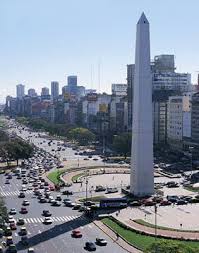
Buenos Aires is the capital of Argentina, the country that is located at the southern tip of South America and borders Chile, Bolivia, Uruguay, Brazil and Paraguay. The country is divided into 23 provinces. Buenos Aires is located in the east of the country and on the right bank of the Rio de la Plata.

Buenos Aires is a Latin American city with European traditions. The inhabitants of the city have a high educational level and the income level is medium high. They are called porteños, people from the port.

The City of Buenos Aires had two foundations. The first one was in 1536, by Pedro de Mendoza, but was destroyed by Indians in 1541. The second one was in 1580, by Juan de Garay. Buenos Aires was named after the sanctuary "Nostra Signora di Bonaria" in Sardinia, Italy. In the nineteenth century the city became the capital of the country and acquired its economic and cultural power. Since then, Buenos Aires is the largest city in Argentina.

What is the capital of Argentina? Buenos Aires is the capital of the country and has about three million inhabitants. If the suburbs are considered, the population reaches 10 million. It is one of the largest cities in the world. The city of Buenos Aires does not belong to the province. It is independent and has its own government and laws. The current Head of Government of Buenos Aires is Mauricio Macri.

What is the capital of Argentina? Buenos Aires and is certainly worth visiting it. It is a unique city that will captivate the visitor with its history, culture, and fun night. It is one of the essential destinations when visiting Argentina, as it is the economic and financial center of the country.

It takes three days to cover the city, but you will never visit it completely. It is best to divide the city by neighborhoods and spend some time in each of them. Recoleta, Retiro, Palermo, San Telmo and La Boca are a must.

¿Cuál es la capital de Argentina?


Buenos Aires es la capital de Argentina, el país que queda en el extremo sur de América del Sur y limita con Chile, Bolivia, Uruguay, Brasil y Paraguay. El país está divido en 23 provincias. Buenos Aires queda en el este país y está situada en el margen derecho del Río de La Plata.

Buenos Aires es una ciudad latinoamericana con aspectos y tradiciones culturales europeas. La población de la ciudad tiene un alto grado educativo y su nivel de ingresos es medio alto. A los habitantes de Buenos Aires se los llama porteño, gente del puerto.

La Ciudad de Buenos Aires tuvo dos fundaciones. La primera fue en 1536 por Pedro de Mendoza, pero fue arrasada por los indios en 1541. La segunda en 1580, por Juan de Garay. Buenos Aires fue llamada de ese modo debido al santuario “Nostra Signora di Bonaria”, en Sardinia, Italia. En el siglo XIX la ciudad se transformó en la capital del país y adquirió su poder económico y cultural. Desde ese entonces Buenos Aires es la ciudad más importante de Argentina.

¿Cuál es la capital de la Argentina? Buenos Aires es la capital del país y tiene alrededor de tres millones de habitantes. Si se suma el conurbano, la población llega a los 10 millones. Es una de las ciudades más grandes del mundo. La ciudad de Buenos Aires no pertenece a la provincia. Es independiente y tiene su propio gobierno y leyes. El actual Jefe de Gobierno de Buenos Aires es Mauricio Macri.

¿Cuál es la capital de la Argentina? Buenos Aires y sin duda vale la pena conocerla. Es una ciudad única que atrapará inmediatamente al turista con su historia, cultura, noche y diversión. Es uno de los destinos obligados si visita Argentina, ya que es el centro económico y financiero del país.

Hacen falta tres días para recorrer la ciudad, aunque nunca terminará de conocerla del todo. Lo mejor es dividir la ciudad por barrios y dedicarle un tiempo a cada uno. Recoleta, Retiro, Palermo, San Telmo y La Boca son imperdibles.

What are the Major Imports in Argentina?


Despite the economic problems, Argentina has become one of the most industrialized countries of South America. Argentina produces many goods, and has an important light industry (mainly food and textiles).

What are the major imports in Argentina? Although Argentina is one of the largest agricultural exporters in the world, the country needs to import technology. Argentina imports much of the equipment, technology and raw materials like coal and iron. It imports machinery, mechanical appliances and electronic items. Cars, chemicals and metal manufactures are also imported. And Oil, natural gas and plastics are imported from Latin American countries.

What are the major imports in Argentina? Argentina also imports computers and cellular phones. These come from China and the U.S.The electronics industry is not well developed in Argentina. China and Argentina have special agreements to lower import taxes. Argentina exports to China food, leather, and especially soybeans.

The shortage of skilled workers, technicians and specialists, and the dependence of foreign capital are the fundamental problems of the sector.

The main import partners of Argentina are Brazil (34.8%) U.S. (12.6%), China (9.1%) and Germany (4.5%). Argentina's total imports in 2009 were 37.61 billion U.S. dollars, down from 54.56 billion U.S. dollars in 2008.

What are the major imports in Argentina? Since 1995, Argentina is part of Mercosur, a free trade area between Argentina, Brazil, Paraguay and Uruguay. These countries have no customs duties for imported and exported items, with the exception of sugar and automotive industries. Domestic production is 800,000 million dollars and 200 million people live in the region. Mercosur represents a great opportunity to Argentina to reduce competition with Brazil. The main item of imports from Brazil is the automotive industry: cars, trucks, buses and spare parts. The items that grew most were TV cameras, phones, laundry machines, computers, motorcycles, alloys, tires and films.

¿Cuáles son las mayores importaciones en Argentina?


Pese a los problemas de económicos la Argentina se ha convertido en unos de los países más industrializados de América del Sur. La Argentina fabrica muchos bienes, cuenta con una importante industria ligera (alimentaria y textil sobre todo).

¿Cuáles son las mayores importaciones en Argentina? Si bien Argentina es uno de los mayores exportadores agrícolas del mundo, el país necesita importar tecnología. El país importa gran parte de los bienes de equipo, de la tecnología y de las materias primas como el carbón y el hierro. La importación está concentrada en máquinas, artefactos mecánicos y objetos electrónicos. También se importan autos, productos químicos y manufacturas de metales. El petróleo, el gas natural y los plásticos también se exportan de países latinoamericanos.

¿Cuáles son las mayores importaciones en la Argentina? En los últimos años se importan sobre todo computadoras y celulares. Estos provienen de China y Estados Unidos. La industria electrónica no está muy desarrollada en la Argentina. China y Argentina tienen acuerdos especiales para bajar los aranceles de importación. Argentina exporta a China alimentos, cuero y sobre todo soja.

La escasez de mano de obra calificada, como técnicos y especialistas, y la dependencia de las empresas y el capital extranjero son los problemas fundamentales del sector.

La Argentina importa los productos de Brasil (34,8%) de Estados Unidos (12,6%), de China (9,1%) y de Alemania (4,5%).

Las importaciones totales de Argentina en 2009 fueron 37,61 mil millones dólares, en baja de 54,56 mil millones dólares en 2008.

Desde 1995, la Argentina forma parte del Mercosur, una zona de libre comercio entre la Argentina, Brasil, Paraguay y Uruguay. Estos países no tienen impuestos aduaneros para importar y exportar, con excepción de las industrias azucarera y automotriz. La producción interna es de 800.000 millones de dólares y conviven 200 millones de personas en la región.

El Mercosur representó una gran oportunidad con Argentina para reducir la competencia con Brasil. El principal rubro de importaciones desde Brasil es el de la industria automotriz: autos, camiones, ómnibus y sus repuestos. En importaciones, los ítems que más crecieron fueron: cámaras de TV, celulares, máquinas para lavar la ropa, computadores, motos, ferroaleaciones, neumáticos y películas fotográficas.

What kind of a animals live in Argentina


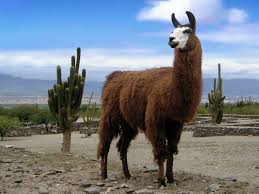
In Argentina you can find thousands of native animals. Due to its huge dimensions and different climates, there are all sorts of species living together, like large mammals or even alligators and penguins.

What kind of animals live in Argentina? There are of all types, however, the most interesting ones for tourists are located in the north (in the provinces of Salta, Jujuy, Tucuman, Misiones and Entre Rios) and in the south Patagonia, which includes the provinces of Río Negro, Neuquén, Chubut, Santa Cruz and Tierra del Fuego.

In recent years the indiscriminate hunting of animals increased in Argentina for which some endangered animals acquired the National Monument status as the southern right whale, the jaguar, the taruca or the North Andean deer and the huemul.

The rivers and jungles of Corrientes, Misiones, Formosa and Tucuman are the ideal habitat for jaguars, foxes, alligators, pumas, anteaters, ostriches, parrots, flamingos, owls, toucans, otters, parrots, yararaes snakes and giant armadillos among others.

In the Andean-Patagonian region you can find: condors, pumas, gray foxes, maras, huemul, deer, swans and Patagonia otters. The shoreline on the Atlantic Ocean is the habitat for the southern right whales a sea lions, dolphins and penguins.

Argentine birds are an attraction for tourists. Across the country you can see: scarlet-headed blackbirds, ovenbirds, woodpeckers, southern lapwings, great kiskadees, larks, rushes, orioles, hummingbirds, cardinals, swallows and seagulls. The practice of birdwatching is very popular and hotel resorts around the country offer it.

The local fauna can be found in national parks, natural areas and ecological reserves. There are ecological reserves all across the country. We recommend visiting the Iguazu Falls in Misiones province, (near Brazil) where you can see alligators, wild birds and snakes. Another good option is the Esteros del Ibera in the province of Corrientes, especially if you enjoy bird watching. In addition you will see monkeys and the famous alligators and capybaras.